Slow Travel in Italy Unravels a Genuine Taste of Italian Culture
When planning an Italy trip, most people immediately think of famous cities like Rome, Venice, and Florence. However, the true essence of the country—and the secret to a richer journey—lies in embracing slow travel in Italy. Hidden away in the picturesque countryside and along the enchanting coastlines are lesser-known Italian towns brimming with authentic charm and character.
These locales are among the best parts of Italy, and offer a genuine taste of Italian culture, art, and culinary delights. From the sun-kissed hills of Naro, near Agrigento in Sicily, to the serene shores of Camogli in the Liguria region (the Italian Riviera), each hidden gem invites travelers to slow down and savor life’s simple pleasures.
Instead of hurrying to traverse the entire peninsula, the most rewarding Italy trips concentrate on one region at a time. We take minor roads that lead to distinct views and interactions with locals, allowing us to capture the unique atmosphere of an authentic Italy, far beyond the obvious tourist traps.
Why Slow Travel is the Best Way to See Italy
Italy’s allure is undeniable, but beyond the bustling streets of major hubs lie hidden gems that offer a more intimate, authentic experience. This is the heart of slow travel in Italy.
Major mass-market tours, bringing large groups on big buses, often stick to overcrowded spots because they simply cannot reach the secondary, narrow roads. Their list of nice places to visit is limited to touristy areas. While a first-time Italy-trip visitor may be thrilled to see iconic monuments, mass-market tours barely scratch the surface of an intricate and complex country.
One of the most enticing aspects of the towns included in our small group tours is the preservation of their architecture, urban furnishings, and the general vibe of the place. The absence of large crowds allows for a more relaxed and immersive experience, where visitors can truly appreciate the architectural and cultural heritage, as in the many villages of the Langhe Hills in Piedmont.
Slow travel in Italy offers the chance to savor the simple pleasures of life—enjoying a leisurely meal at a family-run trattoria, sipping a glass of locally produced wine while watching the sunset, or simply strolling through the town square and soaking in the atmosphere. This sense of community and genuine hospitality define these lesser-known destinations.
Nice Places to Visit in Italy That Fight Over-Tourism
The journey of a town or site becoming a popular tourist destination, regarded by the public as a must-visit, is intricate and shaped by external perceptions. These perceptions are often influenced by myths, idealized portrayals in films, or by tourists’ general disinterest in exploring beyond the superficial.
It is evident that as a town gains immense popularity, many locals move away due to skyrocketing living costs or logistical difficulties maintaining a regular daily routine (e.g., residing in central Venice). In contrast, quieter towns away from the hustle and bustle foster a deeper appreciation for local lifestyles. This is what makes slow travel in Italy so rewarding: visitors engage with the area as locals do rather than as mere tourists, leading to richer cultural experiences.
In contrast, quieter towns away from the hustle and bustle foster a deeper appreciation for local lifestyles and ultimately allow visitors to engage with the area as locals do rather than as mere tourists. These lesser-known towns offer richer cultural experiences, whether it’s a baker inviting you to taste fresh breadsticks outside his shop, like in the village of Barolo, Piedmont, or a woman cheerfully hanging laundry from her balcony in Pienza, Tuscany.
Read more about fighting overtourism in our blog article, “Slow Travel and Sustainable Tourism in Italy.”
Naro, a Lesser-Known Town in Sicily for Your Italy Trip
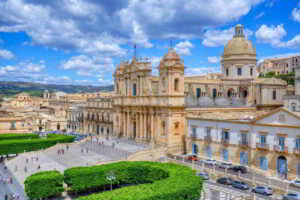
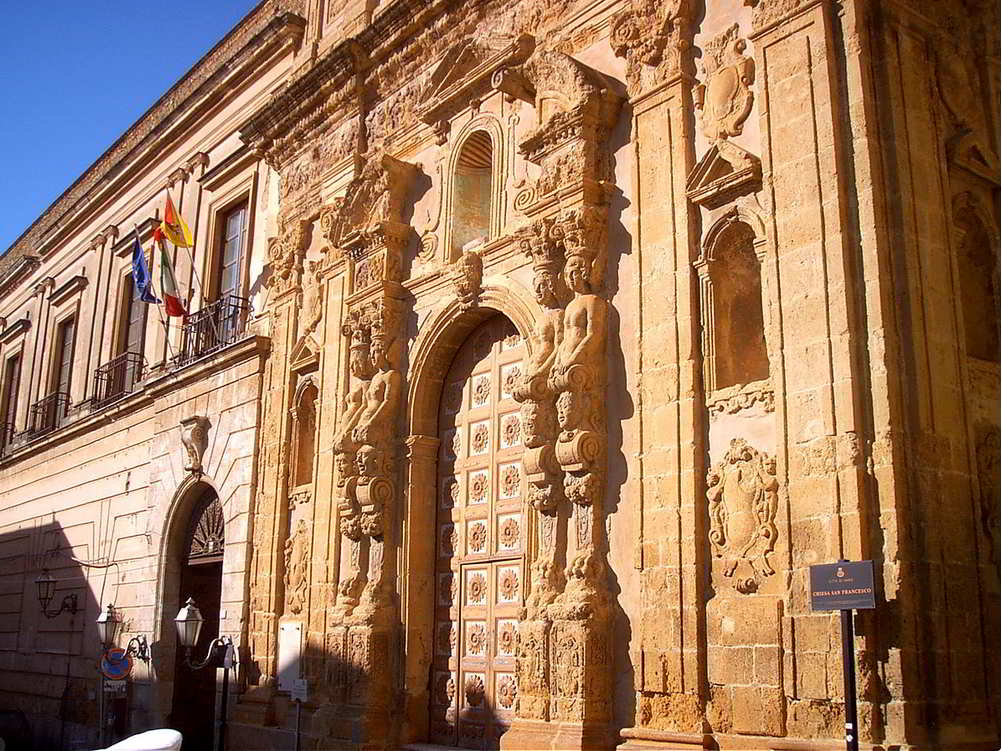
Naro, nestled in the heart of Sicily, just a few miles from the famed Valley of the Temples in Agrigento, is a hidden treasure. It is celebrated for its stunningly preserved Baroque churches, narrow winding streets, and a Norman fortress. Unlike the popular Noto, Naro captures the peaceful spirit of a Sicilian provincial town.
It’s an ideal place on your Italy trip to reflect on the substantial emigration that impacted Sicily between the late 1800s and early 1900s.
Even today, many young people seek better opportunities in northern Italy or other parts of Europe, leaving in town only the older generations or a handful of young entrepreneurs who decided to invest in their homeland.
Raito, a Nice Place to Visit in Italy’s Amalfi Coast
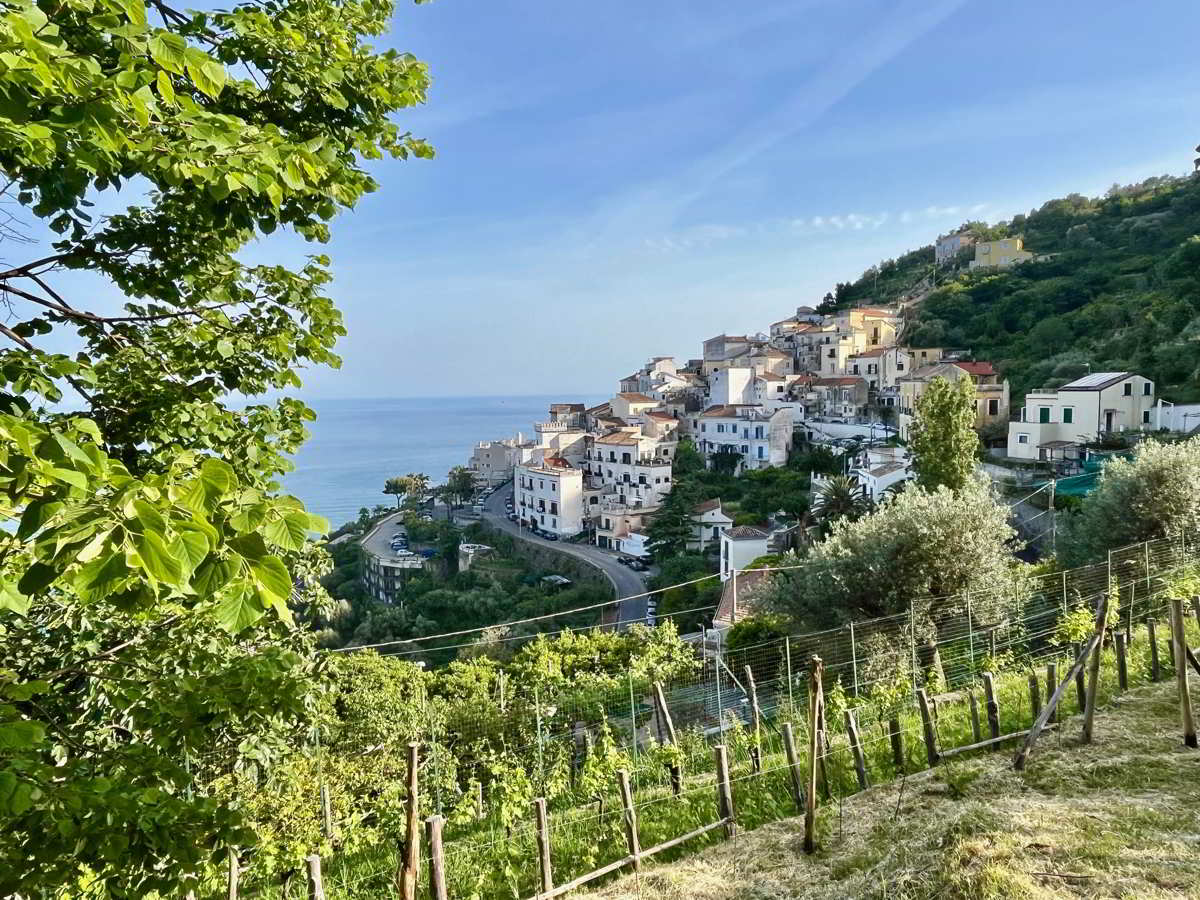
On the southern tip of the Amalfi Coast lies the coastal town of Raito, a hidden paradise overlooking the shimmering waters of the Mediterranean Sea.
The ancient settlement was founded by people escaping from the unhealthy swamps to the south of Salerno, as well as the sacking of the Saracens.
In the heart of the Unesco site, this rugged stretch of the Amalfi Coast is particularly green, with steep slopes covered in lush vegetation.
Generations of farmers shaped the flanks of these mountains with dry walls to gain some extra flat land on which to grow their crops. For centuries, living above sea level was a necessity for defense from pirate attacks coming by boat, and it was closer to the meadows of the higher mountains, where cheese production was taking place.
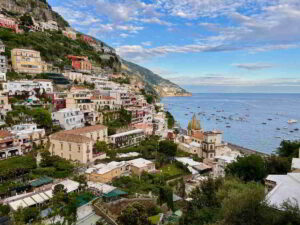
Today, Raito is known for its colorful terraced houses cascading down the hillside, creating a postcard-perfect setting that is sure to capture visitors’ hearts. The town’s winding alleys lead to secluded courtyards and hidden viewpoints, where travelers can relax and soak in the Mediterranean sun.
Raito is home to boutique wineries that specialize in Amalfi DOC wine. After visiting a buffalo mozzarella farm and the Greek temples of Paestum in the Cilento region, stopping in Raito to relax and savor an al fresco dinner surrounded by the vineyards is a perfect example of slow travel in Italy.
Slow Travel in Italy: Neive and the Langhe Hills
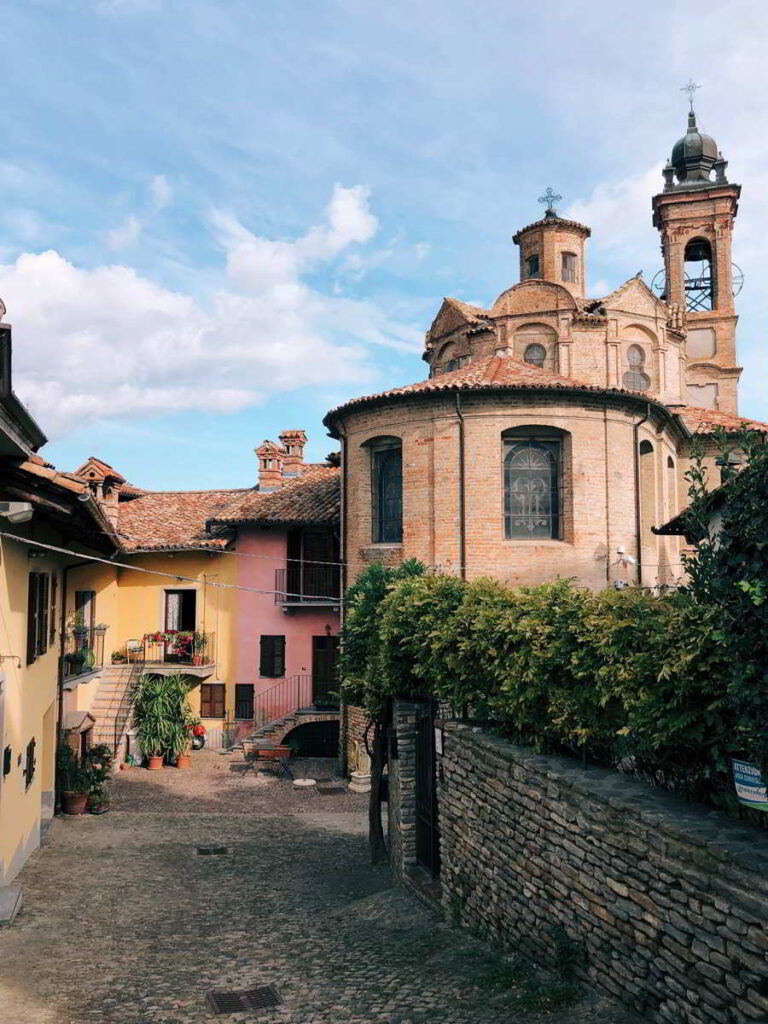
A few miles from Alba and Asti, in the heart of Italy’s stunning Piedmont region, lies Neive, a true hidden gem waiting to be discovered. Its picturesque streets are lined with pastel-colored houses, elegant palaces built by prominent families, such as Palazzo dei Conti di Castelborgo, and a medieval clock tower with marble slabs dating back to Roman times and other interesting details.
The town marks the edge between three bordering wine regions with vineyards stretching as far as the eye can see: Barbaresco on the steep hills on the west side, Moscato on the higher slopes extending south, and Barbera d’Asti on the gentle hills of the Monferrato going east.
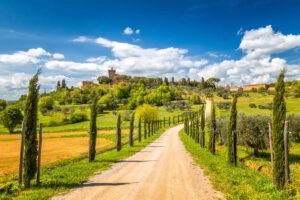
Among the numerous hilltop villages of the Langhe Hills, Neive exudes a timeless charm that captivates visitors. Recognized by UNESCO as a World Heritage Site, the Langhe and Monferrato Hills, visible from Neive, resemble an artistically crafted garden. Here, the vineyards create patterns outlined by rural roads, interspersed with farmhouses and picturesque villages atop hills.
The Langhe Hills is an ideal area for exploring by bike, car, or on foot, and are a perfect example of the lesser-known Italian towns where mass tourism has not yet disrupted everyday life..
Matera and Basilicata, one of the Best Parts of Italy to Visit
Calling Matera a lesser-known Italian town seems almost a joke, considering that the Old City is a UNESCO World Heritage Site and served as a natural backdrop for popular films like Mel Gibson’s The Passion of the Christ.
While Matera can become crowded and is now included in many tours of the Puglia and Basilicata regions, it remains unfamiliar to many foreigners planning their Italy trip.
The city boasts unique and ancient cave dwellings known as the Sassi. These caves, carved into the limestone cliffs, have been inhabited for thousands of years. As visitors walk through the labyrinthine streets of the Sassi, they can explore ancient churches, homes, and shops, many of which have been beautifully restored and repurposed. The town’s history, combined with its striking architecture, makes Matera a truly captivating destination.
In addition to its historical significance, Matera is also renowned for its stunning natural beauty. The town is surrounded by the rugged landscape of the Murgia Plateau, where dramatic cliffs and ravines provide a striking backdrop.
The nearby Parco della Murgia Materana offers numerous hiking trails, allowing visitors to discover the region’s diverse flora and fauna. Matera’s unique blend of history, culture, and natural beauty makes it a must-visit destination for any traveler.
Slow Travel in Italy: Bagno a Vignoni in Tuscany’s Val d’Orcia
The region of Tuscany is renowned for its picturesque landscapes, with its rolling hills, vineyards, and olive groves. In addition, volcanic activity over the previous millennia left thermal springs and unexpected landscapes, such as those around Bagno Vignoni.
Located in the heart of Tuscany’s picturesque Val d’Orcia, this village is renowned for its hot springs and medieval charm. At the heart of the village lies the Piazza delle Sorgenti, a large thermal pool with hot springs bubbling up from its depths. While bathing in the main pool is not permitted, its serene ambiance offers a unique experience, and on colder evenings, the pool’s steam adds to the evocative atmosphere of the village.
Adjacent to the pedestrian center of Bagno a Vignoni, the Parco dei Mulini (Park of the Mills) showcases a series of ancient water mills that were historically powered by the thermal waters. A walk through this park provides insight into the innovative use of geothermal energy in the past.
Bagno a Vignoni is a great destination for your Italy trip, where you can enjoy dinner at one of the many traditional osterias and restaurants. For those seeking relaxation, many facilities offer modern thermal spas, treatments, and pools, a great way to enjoy slow travel in Italy.
For the more active visitors, Bagno Vignoni is situated along the historic Via Francigena pilgrimage route. Travelers can explore segments of this ancient path, immersing themselves in the scenic landscapes of Tuscany from Montalcino, Pienza, San Quirico d’Orcia, and the medieval abbey of Sant’Antimo.
Camogli, a Lesser-Known Town Along The Italian Riviera
The region of Liguria, located on the northwest coast of Italy, is known for its dramatic coastline and charming seaside towns. The lesser-known towns of Liguria, such as Camogli, offer stunning views of the Mediterranean Sea and a wealth of outdoor activities. The region’s rugged cliffs and hidden coves provide excellent opportunities for hiking, swimming, and sailing.
Camogli, a charming fishing village on the Italian Riviera, is known for its tall, colorful houses lining the coastline. The various pastel shades helped fishermen navigate by providing orientation while at sea.
Nestled behind the beachfront facades, Camogli is one of the few towns in Liguria that retains its original system of carrugi– narrow, winding alleyways that date back to medieval times. These winding streets, with their twists and archways, were designed as a defensive mechanism to hinder invaders and pirates. Today, they offer shade and a respite from the intense Ligurian sun and wind, making them ideal during the hot summer months.
Camogli’s pebble beach extends through the village, offering a picturesque location for sunbathing and swimming. Visitors can savor the traditional focaccia al formaggio (cheese-filled focaccia), made by a select few licensed bakeries that adhere to the strict guidelines set by the local Consortium.
From Camogli’s dock, we can embark on a private boat and head towards Punta Chiappa, a unique rocky promontory, continuing along a stretch of the Italian Riviera accessible only by boat or via steep hiking trails. This rocky coastline, which served as a lookout point in medieval times and during World War II, conceals a secluded cove with the enchanting medieval abbey of San Fruttuoso. The inlet’s crystal-clear waters make it a popular destination for swimming and snorkeling, and it leads to the stylish Portofino.
Orgosolo, Sardinia: Murals and Authentic Tradition
Orgosolo, in the heart of Sardinia’s Barbagia region, is a peaceful town where its grey architecture, characteristic of mainland Sardinia, starkly contrasts with the vibrant murals adorning private homes and buildings.
These artworks showcase a range of themes, from Sardinian culture and history to international political and social issues. The tradition of mural painting in Orgosolo began in the late 1960s as a form of political expression and has since become a hallmark of the town.
In addition to its artistic appeal, Orgosolo offers visitors the opportunity to immerse themselves in Sardinian traditions and slow travel. The town boasts a rich cultural heritage, particularly its traditional “Canto a Tenore” polyphonic singing, recognized by UNESCO as an intangible cultural heritage.
Nature lovers will be drawn to Orgosolo for its closeness to the Supramonte mountain range, known for its rugged landscapes, caves, and deep gorges. This region is ideal for hiking and exploring Sardinia’s natural beauty.
After an adventurous exploration of these remote mountains in a four-wheel-drive, you can opt for a hike with a local guide who will share insights into the area’s flora and history, concluding with a convivial, rustic yet authentic lunch in a shepherd’s cabin.
Guests will enjoy fire-toasted vegetables, meats, local cheese, and traditional products during this meal, which offers a unique opportunity to connect with locals living a life far removed from the hustle and bustle of modernity.
The Renaissance Town of Urbino, Quintessential Slow Travel in Italy
Located in the region of Marche, the town of Urbino is known for its well-preserved Renaissance architecture and its significant role in the Italian movement that influences art, economy, politics, and social life from the late 15th century.
The town’s most famous landmark is the Palazzo Ducale, a masterpiece of Renaissance architecture that houses the Galleria Nazionale delle Marche, with its impressive collection of Renaissance art. The town’s historic center, a UNESCO World Heritage Site, is a perfect example of Renaissance urban planning, with its beautiful buildings, narrow streets, and charming squares. The town’s rich cultural heritage and stunning architecture make it a must-visit destination for any history and art lover.
Nice Places to Visit on Lake Como, Italy: Varenna
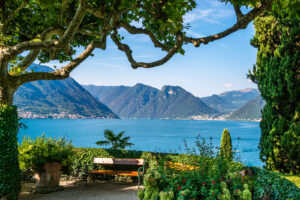
The region of Lombardy, located in northern Italy, is home to some of the country’s most beautiful lakes, such as Lake Como, where one can leave the crowded Bellagio and visit some lesser-known towns.
On the eastern lakeshore lies Varenna, known for steep stairways connecting the docks of this former fishing village to the upper main street. By avoiding these staircases, visitors can reach a romantic lakeside promenade from the ferry terminal to the village center, offering enchanting views of the lake and surrounding mountains and gaining elevation as they stroll.
The Church of San Giorgio is situated in the town’s main square, on the upper level, and it is adorned with frescoes and features of traditional Lombard style, reflecting Varenna’s rich cultural heritage.
Built on the slopes of the mountain, the medieval Vezio Castle offers breathtaking vistas of Lake Como framed in ancient walls, falconry displays, and temporary art installations within the castle grounds.
Plan Your Authentic Slow Travel Italy Trip
The key to a truly memorable Italy trip is moving beyond the crowded landmarks and dedicating your time to exploring one region deeply. By embracing the philosophy of slow travel in Italy, you connect with the local culture, savor the cuisine, and discover the hidden gems that make this country truly special.